The review engine your codebase trained.
Generic linting catches what you told it to catch. Replixa catches what your own engineers have been catching for years — extracted from commit history and applied to every incoming PR automatically.
Start free trialSix capabilities. All derived from the same style graph.
Style Graph
Semantic graph built from real commit history. Learns your naming patterns, abstraction layers, and team-specific conventions.
Inline Patches
One-click apply patches posted directly in the diff. Not comment threads — actual corrected code the reviewer approves.
Noise Thresholds
Per-team configurable signal thresholds. Senior reviewers see only escalated issues — style passes run fully automated.
Multi-language
TypeScript, Python, Go, Java, Rust, Ruby. Style graphs are language-aware and can span polyglot monorepos.
Monorepo Support
Path-scoped style graphs per package or service. Works with Nx, Turborepo, Bazel, or flat monorepo layouts.
Security Patterns
Detects common security anti-patterns in PRs — hardcoded secrets, unsafe deserialization, missing input validation.
Built from your commits, not borrowed from a standard.
Run Replixa on a repository with 6+ months of commit history and it builds a weighted graph of your actual patterns — function prefix conventions, how you structure domain objects, what your senior engineers fix in follow-up commits. That's the review model.
No config files. No rule packs. The graph updates on every merged PR, so review quality improves as the codebase evolves.
Read the deep-dive
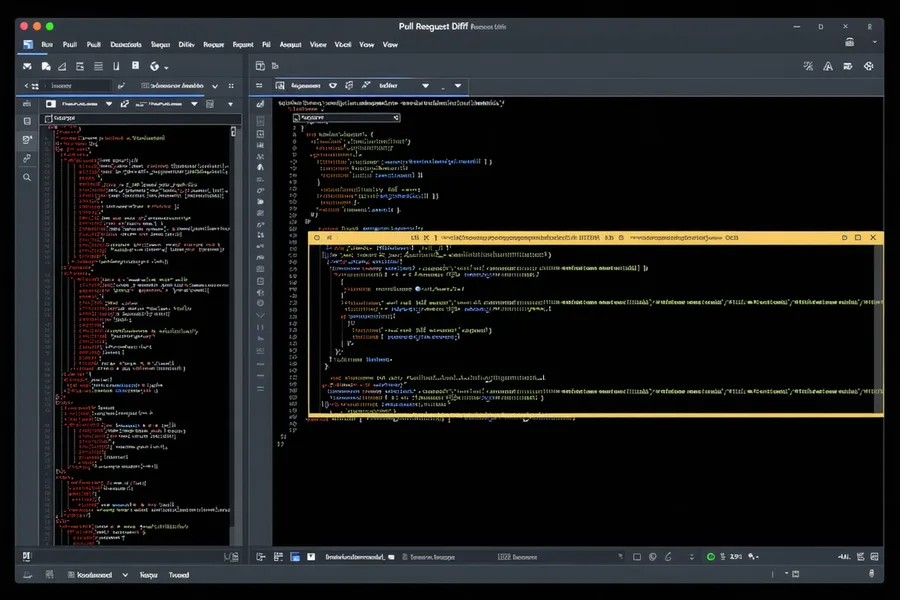
The diff contains the fix. Not the location of a fix.
When Replixa identifies a pattern deviation, it generates the corrected code block and posts it as a native suggestion in your code host's PR interface. GitHub and GitLab both support suggestion blocks natively — reviewers see the before, the after, and a single button to apply.
No ticket. No follow-up. The cycle ends when the PR closes.
Different teams. Different signal bars.
An infrastructure team building internal tooling has different review priorities than the team owning your user-facing API. Replixa lets engineering leads set per-team threshold configs — minimum confidence score, issue categories to surface, categories to suppress entirely.
Platform teams typically set a tighter bar. New hire teams benefit from more verbose feedback. Both cases are covered by the same engine with different threshold YAML.
See configuration docsteam: platform-infra
thresholds:
min_confidence: 0.85
suppress:
- naming/minor
- formatting
escalate:
- security/all
- abstraction/breaking
reviewer_mode: intent-onlyReady to run it on your codebase?
Free for teams under 10 engineers. No credit card. No setup fees.